The Problem & The Solution
What Is the Neighborhoods Network — and Why Does It Matter?
Americans cannot currently govern themselves. Not because they lack intelligence or will, but because they lack organization. There is no mechanism for ordinary citizens to discuss issues together, build consensus, investigate solutions, and deliver mandates to elected officials.
"We've become now an oligarchy instead of a democracy. And I think that's been the worst damage to the basic moral and ethical standards of the American political system that I've ever seen in my life."
— President Jimmy CarterThe Neighborhoods Network (tNN) is the organizational answer. It builds genuine "government of, by, and for the people" from the ground up — starting with the Neighborhood Unit (NU), sometimes called the NGU (Neighborhood Governing Unit).
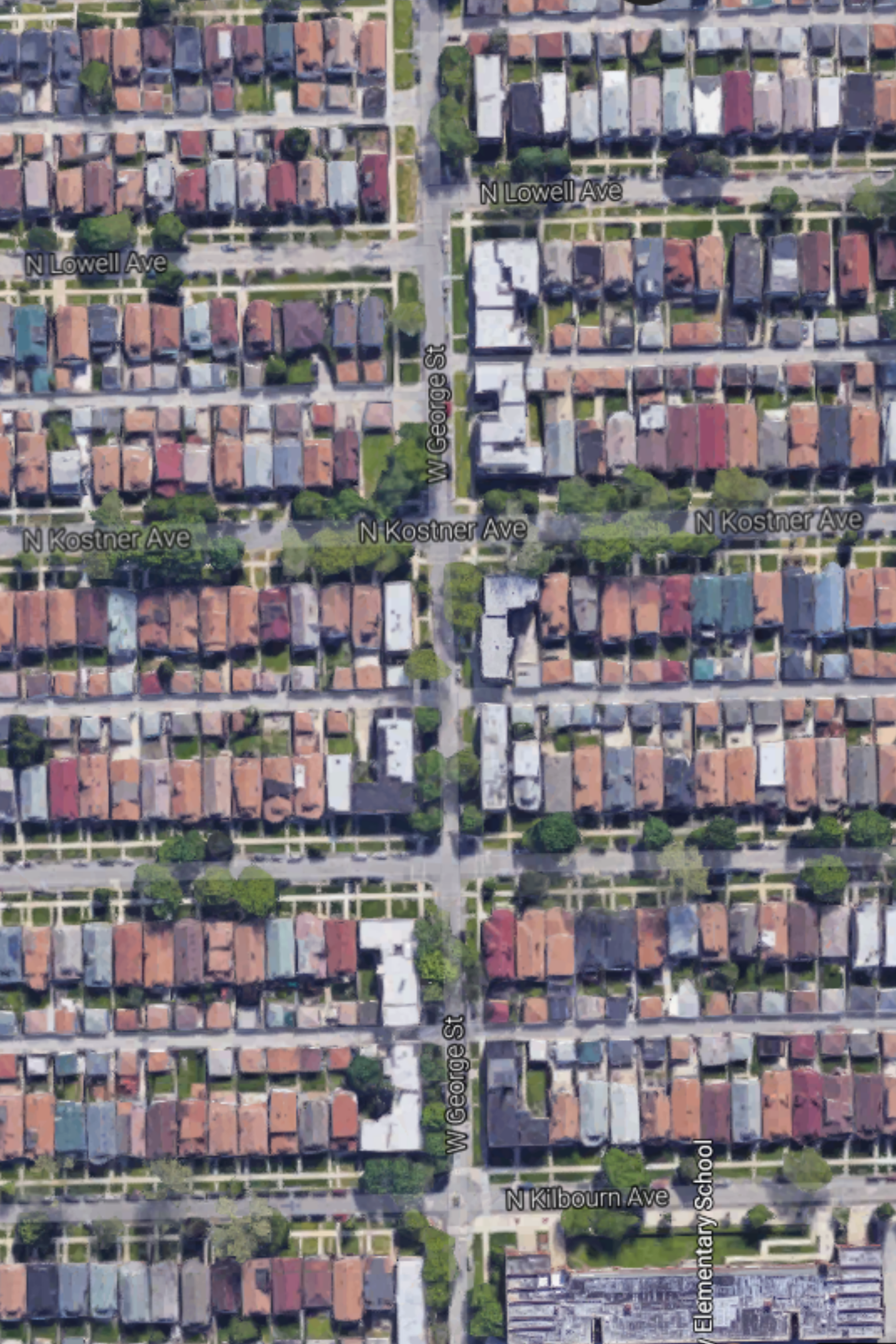
Each NU is a voluntary association of roughly 500 residents of a geographically defined neighborhood. Members meet monthly, submit issues for discussion, form work groups to investigate problems, and collaborate with other NUs across electoral districts to build the public will into binding policy directives.
This site is a demonstration and prototype — an example NGU (xmpl-ngu.org) showing what the web infrastructure for a real NU looks like. You can submit issues, view what others have submitted, and see how the process unfolds.
This Neighborhood Unit
Participate
Have a concern about your neighborhood, city, or nation? Submit it here for the NU to consider at the next General Meeting.
→Before each General Meeting, members vote on which submitted issues are most important. Cast your ranking here.
→Browse all issues currently submitted by neighborhood members. See what your neighbors care about.
→Add your perspective to existing issues. Constructive discussion before the General Meeting sharpens thinking for everyone.
→The Process
How a Neighborhood Unit Functions
Submit Issues
Members submit concerns about their community, city, state, or nation at any time via the web site.
Prioritize
Before the General Meeting, members rank submitted issues so the most important rise to the top.
General Meeting
Monthly assembly discusses top issues, hears expert presentations, launches Work Groups, and votes on policy directives.
Network & Govern
Work groups investigate, solutions are shared with other NUs, consensus builds into mandates delivered to elected officials.